
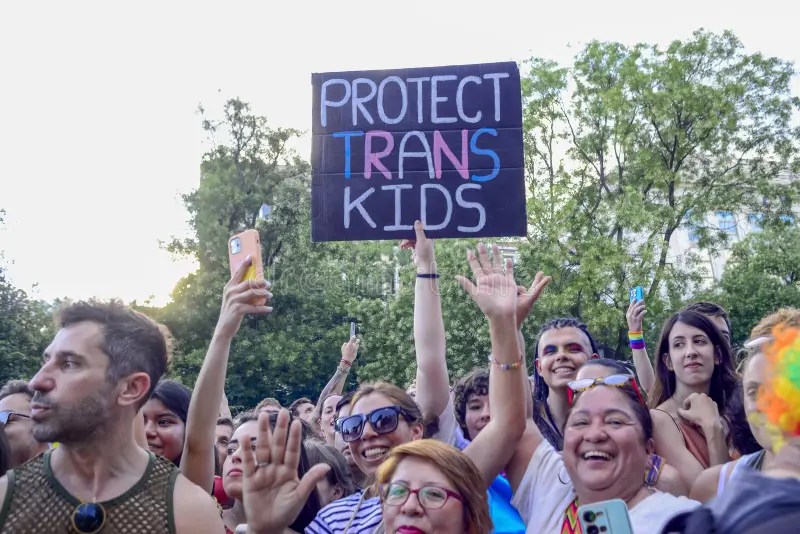
With Pride 2024 concluding, it’s important to recognize the increased visibility and relentless attacks that a certain demographic of young people has endured from right-wing political pundits, politicians, and the religious right. Adolescents who are part of the trans community.
While I may not have the title of a father, I am still an uncle, brother, son, friend, and husband. Some of my family and friends identify as LGBTQ. My partner is a Bi-cis-gendered woman, and I proudly consider myself an ally. Identifying as LGBTQ doesn’t mean all members of the queer community are in agreement on advancing equality. Like any other social group, these communities have their fair share of diversity and conflict. A combination of internal and external factors often influence the queer community dynamics.
In the United States, conservative politicians are actively trying to ban abortion, reduce child welfare benefits, and end free school lunch programs. While advocating for protecting children, these individuals ignore the alarming rates of childhood poverty in the US.
- 1 in 6 households with children experience food insecurity: This means they lack consistent access to enough affordable, nutritious food
- Over 7 million children live in food-insecure households, translating to roughly 17.3% of all families with children.
- Disparities exist: Black and Latino children are disproportionately affected by hunger.
- According to the Supplemental Poverty Measure, 1 in 8 children live in poverty. This translates to 9.0 million children, considering factors beyond income.
- Poverty rates are higher for some races/ethnicities: Black children (17.2%), Latine children (19.3%), and Native American children (23.2%) have higher poverty rates than White children (9.1%).
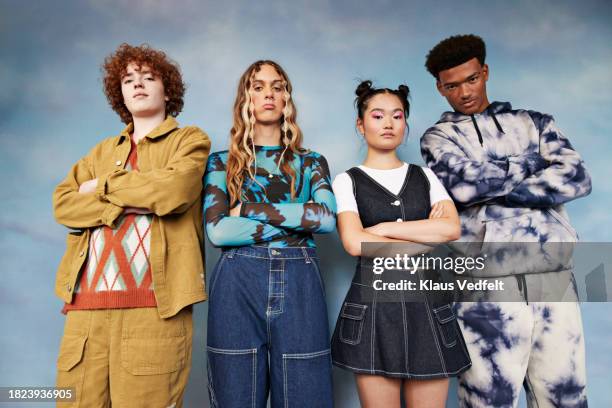
These numbers highlight the lack of support and protection for children in our society. These concerns significantly heighten when a child or teenager identifies as trans. According to data trends, the number of young people and adults who identify as trans is a small minority. Discrimination and violence make it difficult to determine accurately the numbers of trans youth and adults embracing their true identities. Here’s what the numbers show.
- USAFacts: Estimates about 1.14% of adults in the USA identify as trans, which translates to roughly 3 million people.
- Williams Institute: Their research suggests the percentage of transgender people varies by age group. Among youth ages 13-17, it could be between 1.2% and 1.8%, whereas for adults, it might range from 0.4% to 0.6%.
Give careful thought to these estimates, as the transgender population is predominantly young, and increased awareness and visibility have fostered a greater understanding of this community. As time progresses, these numbers will grow and transform. Presently, trans youth encounter challenges arising from transphobia, including bathroom bills, bans on participation in school sports, bullying, and proposed legislation targeting non-binary and trans individuals.
Challenges specific to trans youth can have adverse effects on their mental and social well-being. Let’s dive into a breakdown of important issues.
- Gender Dysphoria: This is the distress caused by a mismatch between a person’s gender identity and their assigned sex at birth. It can manifest in various ways, leading to anxiety, depression, and feelings of isolation.
- Discrimination and Stigma: Trans youth often experience prejudice and bullying from peers, family members, or even strangers. This constant negativity can take a toll on their mental health.
- Lack of Support: Finding a safe space and acceptance can be difficult, leading to feelings of loneliness and isolation. Not having a support system can exacerbate mental health issues.
- Suicidal Ideation: The Trevor Project reports that transgender and non-binary youth are at a much higher risk of considering and attempting suicide compared to cisgender youth.
- Misgendering and Deadnaming: Being called by the wrong pronoun or name can be invalidating and contribute to feelings of dysphoria.
- Difficulties in Social Settings: Navigating social situations like locker rooms, bathrooms, or school sports can be stressful for trans youth who may not feel their gender identity is recognized.
- Family Rejection: Unfortunately, some families struggle to accept their child’s gender identity, leading to strained relationships and a lack of support.
- Limited Access to Gender-Affirming Care: Access to therapists or healthcare professionals who specialize in trans health can be difficult, especially for youth in under-resourced communities.
Remember that these challenges are only a tiny sample of the ones trans youth have to deal with. Many resources exist to assist them, including LGBTQ+ advocacy groups, gender identity-trained mental health professionals, and supportive communities.

Reasons to Protect Trans Kids
There are several compelling reasons why protecting trans kids is essential:
- Mental Health and Well-Being: Studies show that acceptance and support for trans youth dramatically improve their mental health. Rejection and discrimination, on the other hand, can lead to anxiety, depression, and even suicidal thoughts.
- Bodily Autonomy and Identity: Trans kids are just like any other kid; they deserve to feel comfortable and safe in their own bodies. Gender-affirming care, when appropriate, can be a vital part of that for some trans youth.
- Reduces Bullying and Discrimination: Creating a safe and inclusive environment for trans kids reduces bullying and allows them to thrive alongside their peers.
- Following Medical Expertise: Major medical associations support gender-affirming care for transgender youth. Medical professionals best make these decisions in consultation with the youth and their families.
- Fundamental Rights and Fairness: Ultimately, transgender kids deserve the same basic rights and respect as everyone else.
Our allies and the LGBTQ community must unite to combat hate and prejudice. The assault on trans rights has expanded into an attacking on the entire LGBTQ community. With various cities and states passing laws to ban drag queens and other queer performers.
The intention of right-wing and neoliberal political and religious leaders is to force folks back to a period when the queer community hid or lived on the margins of society. Allowing this step backward is unacceptable. Steps like organizing, education, and challenging political power are crucial in pursuing a fair and just world.
With the constant stream of news about war, genocide, and climate change on our smart devices and televisions, it can feel like an uphill battle these days. Thinking that one person can make a difference can feel overwhelming. By working together, we can collectively ensure the safety of our children, particularly our most valuable ones. We should do everything in our power to stand up for trans kids.
 Evolving Folks Project