
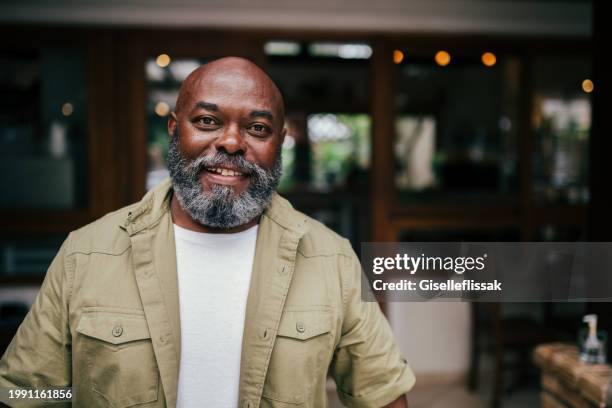
In 2023, I turned 40 years old. There was an age and time in my life when I was in my early 20s. I gave little thought to being middle age, but now, as a full-fledged elder millennial, it’s my reality. I’ve discussed my mental health struggles in previous posts. As a young man, I didn’t honestly think I’d be around to see this day. My brother and I lost friends well before we graduated from high school. I lost a couple more friends before I reached 30 years old. These men and boys all died young. They never got the opportunity to be fathers, husbands, or grandfathers. I am lucky to see middle age, and I’ll be pretty fortunate to be an old man one day.
As a black man, death is something we’re all too familiar with because of racial disparities in health and wellness in the black community versus the white community. I grew up on the South Side of Chicago in the 80s and 90s. Those were pretty rough times and unfortunate for all the progress since that era. The trends still paint a more morbid picture regarding health, race, and longevity for the black community and black men in particular.
Health and life expectancy disparities between black and white men in the United States are well-documented and reflect broader systemic inequities in healthcare, socioeconomic status, and environmental factors. Here are some key points in life expectancy disparities for black men in the United States.
Overall Life Expectancy of black versus white. As of recent data (2023), white men in the U.S. have an average life expectancy of about 76.4 years, while black men have an average life expectancy of 71.8 years—a gap of 4.6 years. Here are some historical trends that keep the gap. The gap has narrowed since the 1990s (when it was over 7 years), but progress has stalled or reversed in some areas because of factors like COVID-19, gun violence, and chronic disease disparities.
Heart disease and hypertension are a risk factor. Black men have higher, less controlled blood pressure because of genetics, diet, and healthcare access. Cancer is another risk factor. Cancer mortality is the highest among Black men. Black men die from prostate cancer at twice the rate of White men, because of later diagnoses and unequal treatment. Black men are at a significantly higher risk of diabetes and its complications.
Homicide and gun violence impact black men at a higher rate since black men are 10 times more likely to die from homicide than white men, often linked to structural inequalities, poverty, and neighborhood safety. The COVID-19 pandemic had a considerable impact, too. Black men had two to three times higher death rates from COVID-19 because of frontline work exposure, comorbidities, and healthcare access barriers. Chronic stress and mental health complicate the health outcomes of black men because of racism, discrimination, and economic hardship often contribute to stress. Thus, these factors increase the risks of depression, hypertension, and premature aging. Black men are less likely to seek mental health care because of stigma and a lack of culturally competent providers. This is also because of a lack of adequate mental health facilities and practitioners in poor black communities.

Underlying Factors that cause this health disparity in the United States between black and white men. Socioeconomic inequality affects black men because of higher poverty rates, lower educational attainment, and unemployment, which contribute to poorer health outcomes. Lack of healthcare access since black men are more likely to be uninsured or underinsured, leading to delayed medical care. It’s also medical bias affecting the black community. Studies show Black patients are often under-treated for pain and receive lower-quality care because of implicit biases.
Environmental racism plays an enormous factor. In predominantly Black neighborhoods, there is usually less access to healthy food, clean air, and safe recreational spaces, increasing chronic disease risks. Poor air and water quality impact these communities. Low-income neighborhoods are often near industrial and factory sites. I grew up in a community next to a series of factories and a massive water treatment plant on the far South Side of Chicago. One summer afternoon, when I was a high school freshman, my grandmother drove to our townhouse in the former Eden Green co-op community to warn us of a chemical spill near our neighborhood. We spent most of the day at the Chicago Lake Front on the North Side. Well over a decade later, I received a three-dollar check because of a class action lawsuit over this spill. Yup, that’s all this nameless corporation thought we were worth after poisoning our community.
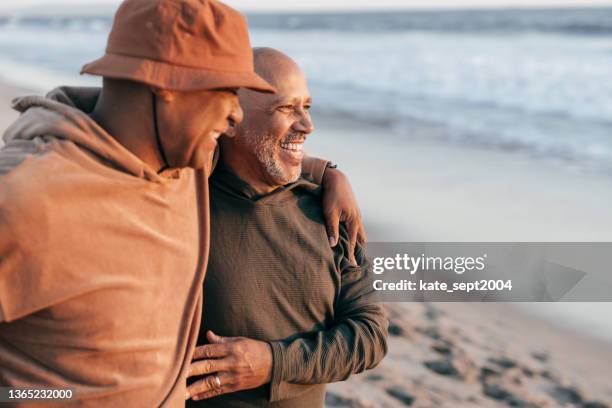
Even when you account for economics, very notable and famous black men have met untimely deaths because of health, accidents, or mental health issues. Men such as rappers DMX and MF Doom, actor Chadwick Boseman, and basketball great Kobe Bryant—all died before they could enjoy their golden years. To illustrate the point, we needn’t list the many black men killed by law enforcement, such as Tamir Rice, Elijah McClain, and Tyree Nichols—victims of a racist, murderous police culture in the US.
In the end, black men deserve to live long and healthy lives. Here are some ways that can reduce disparities between black and white men. Some policy initiatives include expanding the Affordable Care Act (ACA), Medicaid access, and community health programs. A universal healthcare program like Medicare for All could help close the wellness gap between black and white men. Community health programs that are culturally tailored interventions (e.g., barbershop blood pressure screenings). There needs to be more research and advocacy programs like the NIH’s All of Us program and organizations like the Black Men’s Health Project focus on equity. Poverty alleviation, such as a universal basic income, affordable housing for all, and unionization, can help close the wealth gap that adds to the more significant health disparities between black and white men.
Despite some progress, systemic racism, economic inequality, and healthcare barriers continue to create disparities. Addressing these gaps requires policy changes, better healthcare access, and targeted public health interventions for Black men.
Staying healthy isn’t easy, and my struggles have impacted my mental and physical health. I try to exercise and eat healthier. I would love to eat hot wings and pizza every night, but I have a family history of diabetes and stroke. The legacy of slavery and colonialism still impacts black communities to this day. We see a nation lean into its racist past by trying to dismantle or destroy diversity, equity, and inclusion efforts that have been trying to rectify these inequities. In the era of Trump 2.0, this can seem to be a tall task, mainly when Democrats would instead fund mass genocide in the Middle East over fighting for universal healthcare for all its citizens. Policy proposals suggested in this article would improve the health of black men. Plus the health of all men and women as well as those in the LGBTQ community. It’s a plus when a society prioritizes the health and wellness of all its citizens.
In my 40s, I have learned to embrace being a middle-aged man and my Unk status. It’s all good, I’ve earned these gray hairs in my beard. One day, I can be a grandpa or a great grandpa if I’m lucky enough to see 80 or 90 years old. My advice to the fellow Unks is to cut back on drinking, smoking, try getting a workout in, or going for walks. An old Army vet gave me solid advice about aging when I was younger. He said, if you take care of yourself now as a young guy, your body will take care of you when you get old. He was seventy years old then, so he made an excellent point. This is advice for all my brothas, no matter their age. I’ve had my fair share of ups and downs, but I try to stay healthy in the end. And finally, get vaccinated and run the other way from those cute OnlyFans girls so you don’t end up like Unk Shannon Sharpe. In fact, just date women close to your own age, so they’ll be wise enough to understand the signs of a stroke without having to Google it.

 Evolving Folks Project