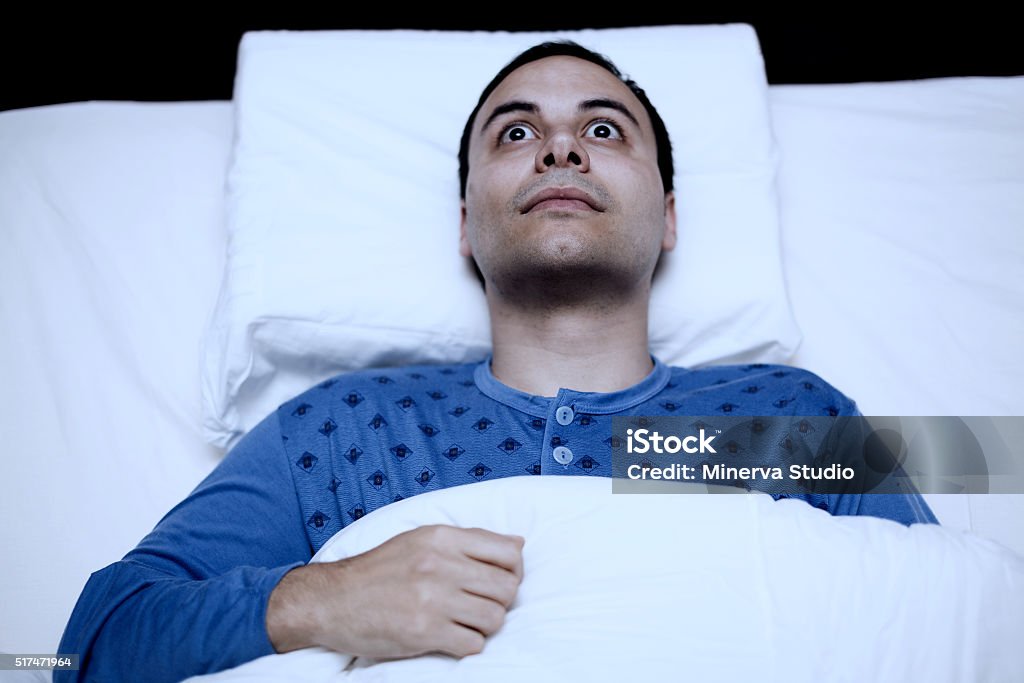
Another sleepless night, and there have been far too many in my lifetime. It started on deployment back in 2003 aboard the USS Cleveland LPD-7. My nemesis, insomnia, has been my rival since I was a YN sailor boy. That SOB has followed me to college, grad school, the young professional world, and right until today. It’s not as constant as in my youth. But in times of stress, such as potential downsizing at work, losing a pet, family drama, or the current state of the world. For example, especially in times like the year 2020, my old friend insomnia reappears and rears its ugly head. My body’s stress response is not sleeping well. I’ve done many things to address this chronic problem. These include drinking, sleep aids, exhausting workouts during the day, and even an unhealthy Mary Jane habit in my younger days.
It’s the end of May, which means the end of Mental Health Awareness Month. While the calendar may move forward, mental wellness is always important, no matter the time of year. Building from my personal experience with sleep challenges, let’s now examine why sleep is a very important part of mental well-being. In the following paragraphs, I’ll share a bit of a deep dive into insomnia, including what it is and some myths and misconceptions about the condition.
First, let’s look at how common insomnia is. Insomnia is the most common sleep disorder, affecting up to 30–35% of adults during their lives. About 10% of adults experience chronic insomnia, defined as trouble sleeping at least three nights a week for three months or longer. It is more common in women, who are about 40% more likely to develop it than men.
In addition to gender differences, it’s important to understand other factors that increase insomnia risk. Doctors also link higher rates of anxiety or depression to hormonal changes. These changes include those during menstrual cycles, pregnancy, or menopause. Insomnia also becomes more common with age. This is partly because of changes in sleep patterns, more health problems, and increased use of medications.

Primary insomnia occurs when no underlying health issue is responsible for sleep problems. Secondary insomnia arises from conditions like depression, chronic pain, asthma, or the use of caffeine, alcohol, or nicotine. Stress typically triggers acute insomnia, which usually lasts a few days or weeks. In contrast, chronic insomnia means trouble sleeping at least three times a week for three months or more. Genetics also plays a role, since insomnia often runs in families.
These genetic factors bring us to other triggers people might face. Twin studies show that inheritance may account for 30–50% of cases of insomnia. Other common triggers include stress, irregular sleep routines, and poor sleep habits, such as using screens or drinking caffeine late. Mental health issues like anxiety and depression, as well as some medications, can contribute to insomnia.
Understanding what causes insomnia is important, but diagnosing it also involves looking at its impact on daily life. To diagnose insomnia, a person must have daytime problems. These include tiredness, mood changes, trouble focusing, or poor performance at work or school. Chronic insomnia also doubles the risk of car and workplace crashes by impairing reaction time and attention. Over time, insomnia raises the risk of health problems. This includes high blood pressure, heart disease, type 2 diabetes, obesity, depression, and even suicidal thoughts and behaviors, even when doctors account for depression.
When considering diagnosis, it’s useful to understand the symptoms and assessment process. Insomnia means trouble falling asleep, waking up often during the night, or waking up too early and being unable to fall back asleep. Most of the time, doctors diagnose insomnia by speaking with patients and reviewing sleep diaries. Overnight sleep studies are usually only needed if there are concerns about sleep apnea or movement disorders. Medication is not the first choice for treatment.
The American College of Physicians recommends starting with Cognitive-Behavioral Therapy for Insomnia (CBT-I). It works better in the long run and lacks the side effects of sleeping pills. Alcohol can make insomnia worse. While some use it to help fall asleep, it disrupts sleep later in the night and lowers sleep quality.
Some people with insomnia have what’s called “sleep state misperception.” They may feel as though they barely sleep, even though sleep studies often show they get a normal amount of rest. In these cases, people experience being awake while actually asleep. Another relevant concept is a CBT-I technique called paradoxical intention, where you try to stay awake in bed. By removing the pressure to fall asleep, this approach can reduce anxiety and make drifting off easier. The placebo effect is also strong. In clinical trials, about 30-40% of people taking placebo pills see their insomnia improve, showing how expectation and anxiety matter. Most people think they lose more sleep than they really do. Poor sleepers often believe they slept much less than sleep monitors show, even though their distress is real.
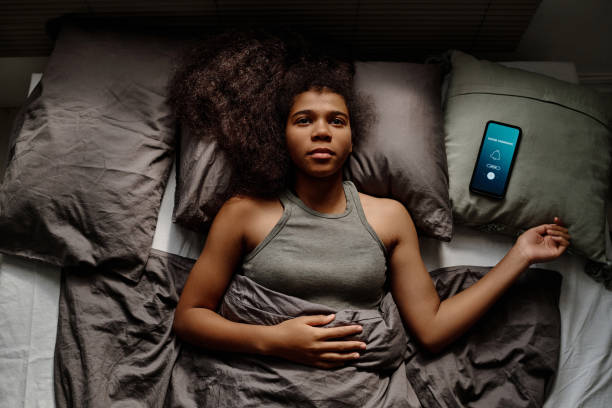
Reflecting on my journey, I’ve kicked my old bad habits. I used VA and private counseling. Now, my sleep is more constant and restful. As a young adult, I could burn the midnight oil and be semi-functional the next day. These days, even five hours of sleep leave me feeling terrible. So, don’t follow advice from CEOs or CEO wannabes on TikTok, IG, or the Book of Faces, who claim they thrive on four hours of sleep to get more done. That’s not the path to success or health.
With all this in mind, don’t be like the pseudo-success stories; get some sleep. It would be me lying if I said I accomplished many things during my many years of sleepless nights. I didn’t write the next great American novel, though I wrote a couple of cool-ass novels. I didn’t learn Spanish, but I am in the Diamond League on Duolingo now. If you have insomnia, please seek support. Other ways to help you fall asleep fast include cutting down on your tech devices and screentime an hour before bedtime. Use your bed for sleep or sexy time only. Read a book or try mindfulness practices to help with sleep troubles. For my fellow night owls, know you have a legion of fellow night owls who understand your struggle. Bedtime is the one time I don’t want to stay woke.