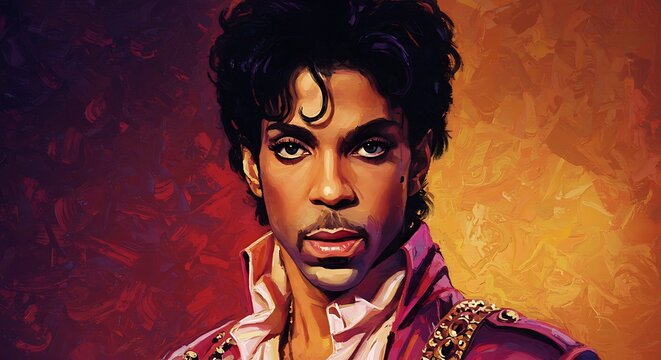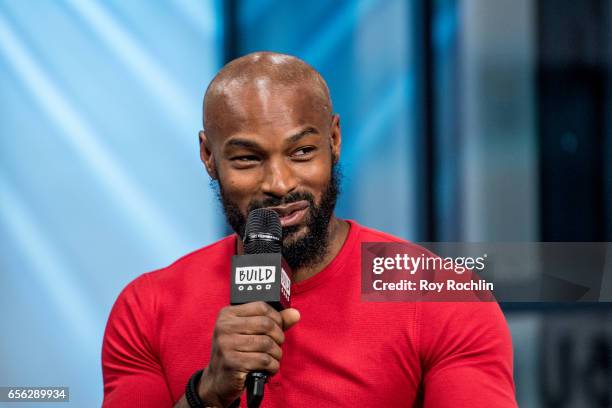
It’s Pride month, and the LGBTQ community is in full celebration mode. The queer community often challenges gender norms and roles. Yet, modern society’s beauty ideals remain strongly tied to traditional gender expectations, irrespective of sexuality or orientation. This thinking impacts men of all sexual orientations and backgrounds. Can a man be beautiful? A few weeks ago, I posed this question to my wife. I also shared it on social media. Why don’t people perceive men as beautiful? People describe men as handsome, attractive, or sometimes even sexy.
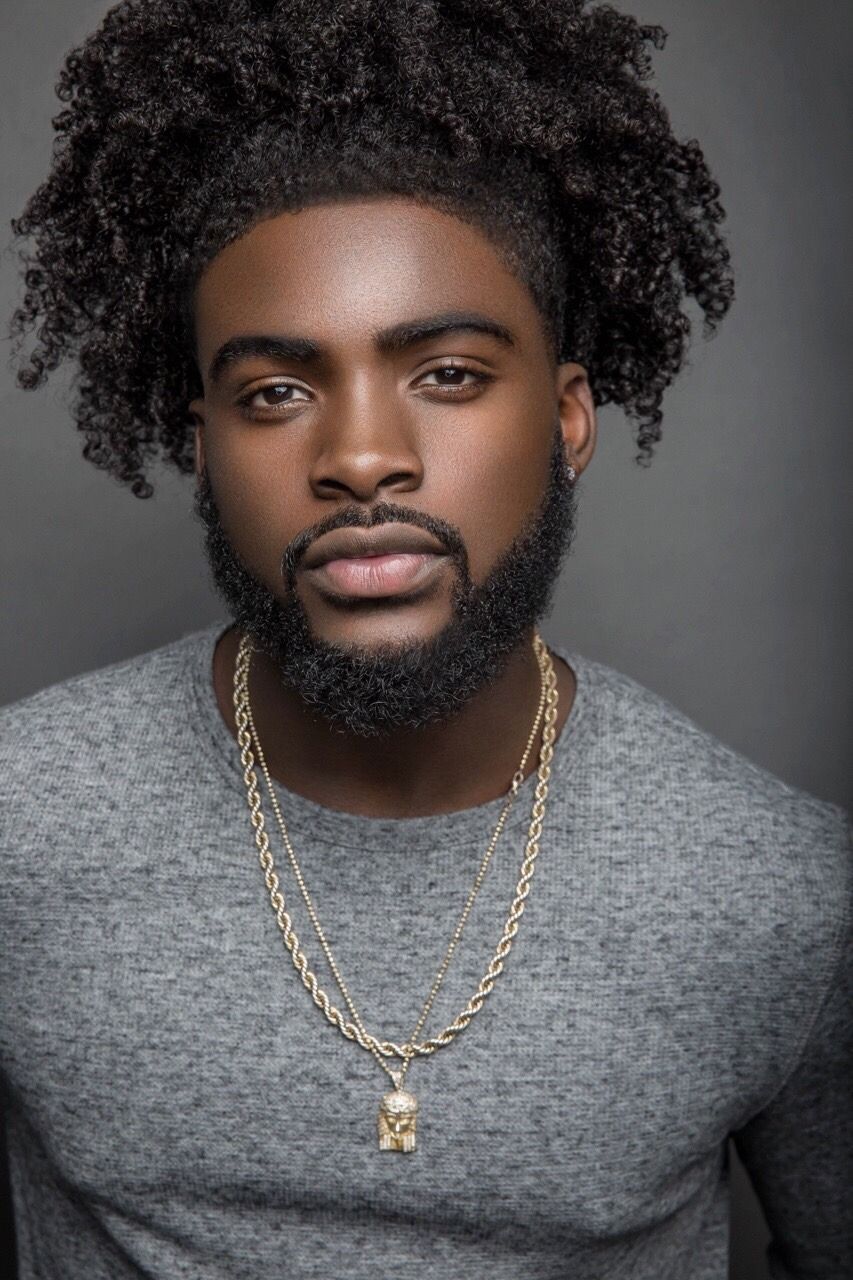
Similarly, the term “beautiful” is often reserved for women. However, the idea that men can’t be beautiful is actually a modern Western belief; many cultures historically saw male beauty as equal to female beauty. Like women, men can be seen as beautiful as a sunrise on a cool summer morning. The masculine beauty ideal comprises cultural standards for men, which change over time and across different places. People learn these standards early in life, shaping perceptions of men’s attractiveness.
Our view of gender influences how we care for ourselves and shape our identities. Society’s male beauty standards arise from deep-rooted conditioning and pressure to conform. The strict gender rules we learn early become the basis for our adult beliefs about gender and beauty. This results in a narrow notion that men are only handsome and women are the only ones considered beautiful. The main question, then, is whether men can be beautiful? The answer is a resounding yes, because everyone, regardless of gender, can embody beauty.
To understand why this is the case, consider that throughout history, many cultures did not link beauty to a single gender. For example, the ancient Greeks saw the male form as the highest standard of beauty. Sculptures such as Michelangelo’s David or the Belvedere Torso are not just about “handsomeness”; they represent ideal, divine beauty. The word “beautiful” was used to describe men long before it became a term mostly associated with women.
As we move into modern times, beauty is increasingly about aesthetic impact rather than sexuality. “Aesthetic impact” means something that strongly appeals to our senses or emotions. Sexual attraction need not be involved. Yet we often conflate “beautiful” with “attractive to heterosexual men.” But beauty is a broader aesthetic category. It refers to qualities such as harmony—a pleasing arrangement of parts—symmetry, grace, and emotional resonance. A man can possess delicate features. Striking bone structure. Poetic eyes. Or a serene presence that stops you in your tracks. This is not because you desire him, but because he is aesthetically exquisite, like a piece of art or a sunset.
Taking this wider view further, beauty also encompasses character and movement. Physical beauty in men is not limited to “rugged” or “handsome.” You can find beauty in a man’s vulnerability, grace, aging, spirit, and compassion.
It can be a gentle look in a man’s eyes when he sees his child. You can see grace in the way a male dancer or martial artist moves. Sometimes, beauty is found in the lines on an older man’s face, which show years of laughter and hardship. A man’s kindness, passion, or wisdom can make him a truly beautiful person. You also see beauty in how a man treats people who are less fortunate or more vulnerable than he is.
This is not only true historically; many cultures today also openly celebrate male beauty. In Korea, for instance, the K-pop style highlights “pretty” men with smooth skin and androgynous looks as national ideals. In parts of West Africa, the Wodaabe tribe hosts yearly beauty contests where men carefully paint their faces, wear detailed jewelry, and perform dances, all judged on their appearance.
Further illustrating the diversity of beauty standards, these ideals vary across cultures and places. For instance, in the West, people often value muscular bodies, but this is not true everywhere. In South Korea and other parts of East Asia, popular K-pop bands have made slim, boyish bodies, colorful hair, and makeup popular beauty standards for men.
Despite these variations, even societies that admire androgynous men are not free from criticism. In China, for instance, androgyny is prevalent, but many male celebrities face public criticism for their “too feminine” appearance or for wearing makeup.
Looking back again, beauty standards have changed throughout history, shaped by many influences. For example, in ancient Egypt, youth was considered beautiful, as seen in art depicting idealized young figures. Similarly, Greek and Roman sculptures focused on idealism, presenting beauty through strength and intelligence.
Another key shift occurred over time. Wealthy and powerful people moved from idealizing wealth itself to viewing it as access to scarce resources. For example, when food was scarce, extra body fat became a symbol of wealth. Paintings from the early modern period often showed important figures displaying their status through larger bodies.
Consequently, whereas the past highlighted men’s wealth through clothing and possessions rather than bodies, today’s standards emphasize the male physique. Now, people often idealize men’s bodies. They praise very low body fat and large muscles. For example, groups like gym bros dedicate themselves to building the perfect body. Many men follow strict diets. Some take supplements or use performance-enhancing drugs to reach this ideal. Because of these shifts, more young men are struggling with eating disorders and body image issues, like body dysmorphic disorder.
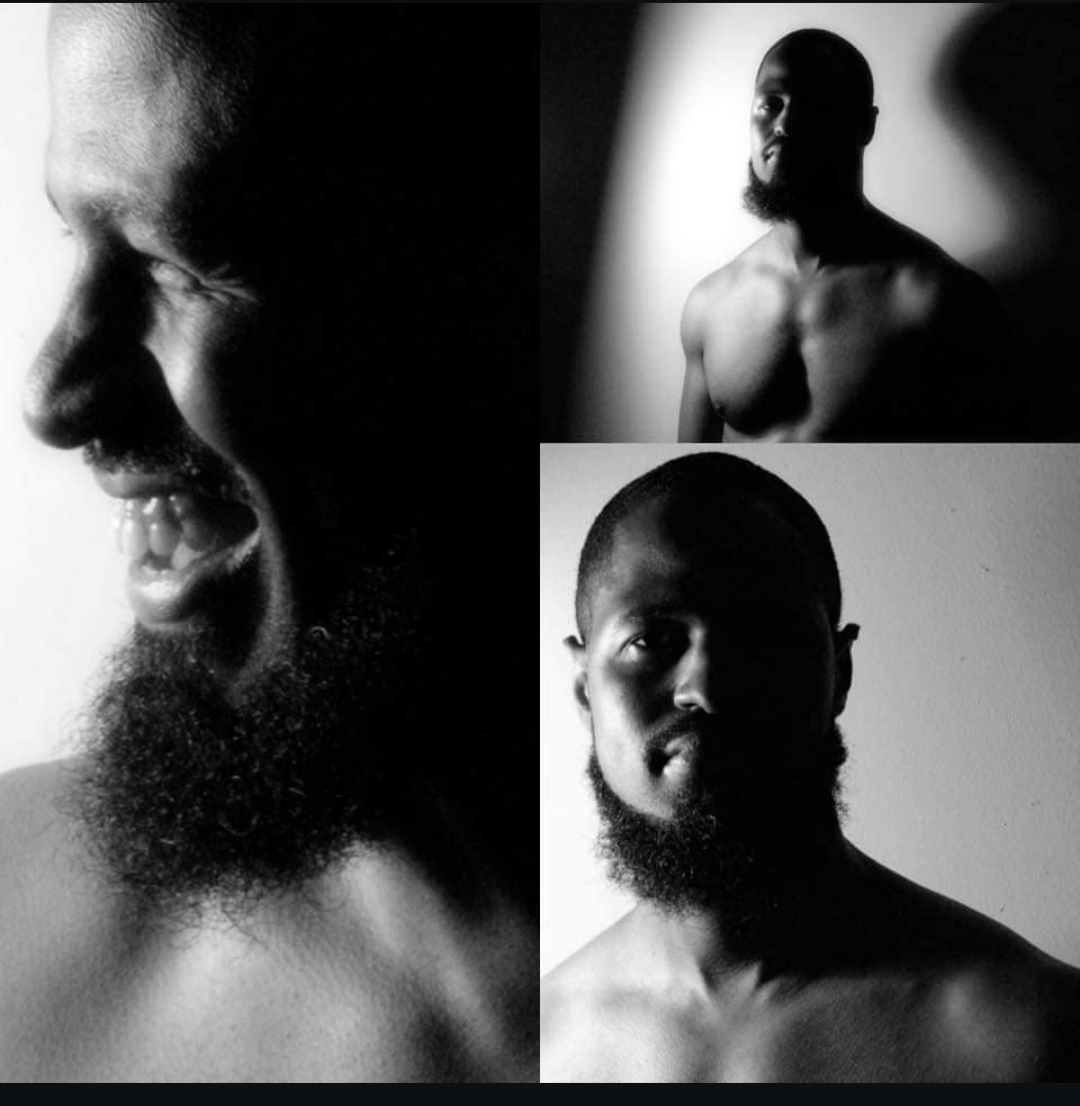
This modern obsession with specific male aesthetics may be influenced by language—perhaps the absence of a neutral word for male beauty pushes men toward extremes to fit limited ideals. Our central argument is that men pursue beauty regardless of sexuality, but restricting language means they struggle to fully express or validate these experiences.
Put another way, while language is evolving, English still doesn’t have a strong, neutral word for a “beautiful man.” I mean a word that conveys aesthetic appeal without gendered or romantic connotation, and that feels truly natural. We end up using words like pretty, gorgeous, or handsome. That’s a problem with the language, not with reality. See someone like a young Marlon Brando, Oscar Isaac, or a ballet principal male dancer—the word that fits best is often beautiful. It’s simply the most accurate.
Importantly, it’s crucial not to confuse beauty with femininity. My wife once asked me, “Why don’t I see myself as beautiful?” My response was that I’m humble and don’t want to seem self-absorbed. Previously, I believed only more androgynous men were considered beautiful. However, men don’t have to look feminine to be beautiful—a bearded, broad-shouldered, very masculine person can be strikingly beautiful too.
To illustrate, fans around the world have admired actors such as Antonio Banderas, Michael B. Jordan, Henry Cavill, Idris Elba, Will Smith, and Denzel Washington, as well as singers Prince and Lenny Kravitz. This admiration stems from their looks, public personas, and style. Models such as Tyson Beckford and Jeremy Meeks became famous for their appearance. The Korean supergroup BTS is a global icon of male beauty and style. These examples show that men of every type and presentation possess beauty—whether they are more androgynous, like Prince or David Bowie, more stereotypically masculine, like Dwayne Johnson or Jason Momoa, or somewhere in between. After all, beauty is in the beholder’s eye.
Yes, men can be beautiful—just as fierce as a tiger, or as graceful as a willow. The heart of my argument is that beauty is not tied to gender; it’s how we see and experience people. Recognizing male beauty matters because it reclaims language for everyone, opening the door for each person to see themselves reflected in the idea of beauty.