
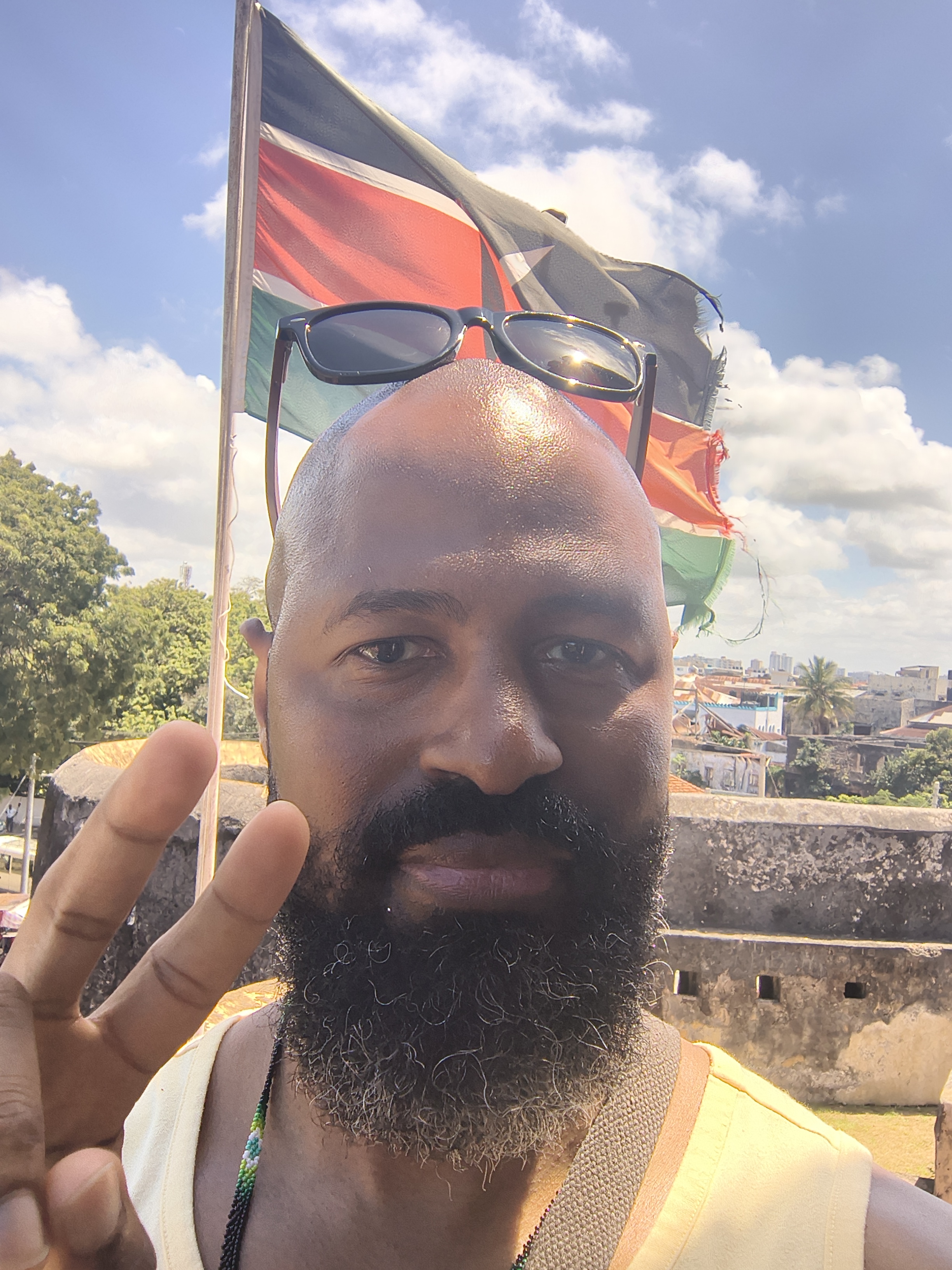
In July 2026, my wife and I took the trip of a lifetime to East Africa. We hoped to experience a far different culture, connect to our roots as Black Americans, and witness firsthand the iconic wildlife of Africa. Almost three weeks in Africa was an experience like no other. I’m grateful my family and I can afford such a trip. The cultural exchange was the most impressive.
Rwanda was a paradise lost over 30 years ago when a nationwide genocide brought the small, landlocked nation to a standstill. Before colonization, the region that would become Rwanda had a dynamic and complex culture. The Belgians and Germans fought over control of Rwanda throughout the First and Second World Wars. During this time, the Belgians created a stratified caste system that placed the Tutsi tribe at the top under the white colonial masters, Hutus as second-class citizens, and further marginalized the smaller Twa tribe.
The caste system unfortunately laid the foundation for the horrific 1994 genocide. The nation experienced its darkest hour. Obviously, the geopolitical factors that led to the breakdown of Rwandan society are far more complex than I can put in a simple post. But the goal isn’t to ruminate on Rwanda’s tragic past. Rwanda overcame the odds after such a breakdown of civil society.
I was amazed to learn about a part of Rwanda’s history that’s not taught in Western media: the nation utilized a restorative justice path of reconciliation after the 1994 genocide. The Gacaca Courts were a community-based restorative justice system blending traditional and modern approaches. It was rooted in a philosophy centered on repairing harm rather than solely punishing offenders.
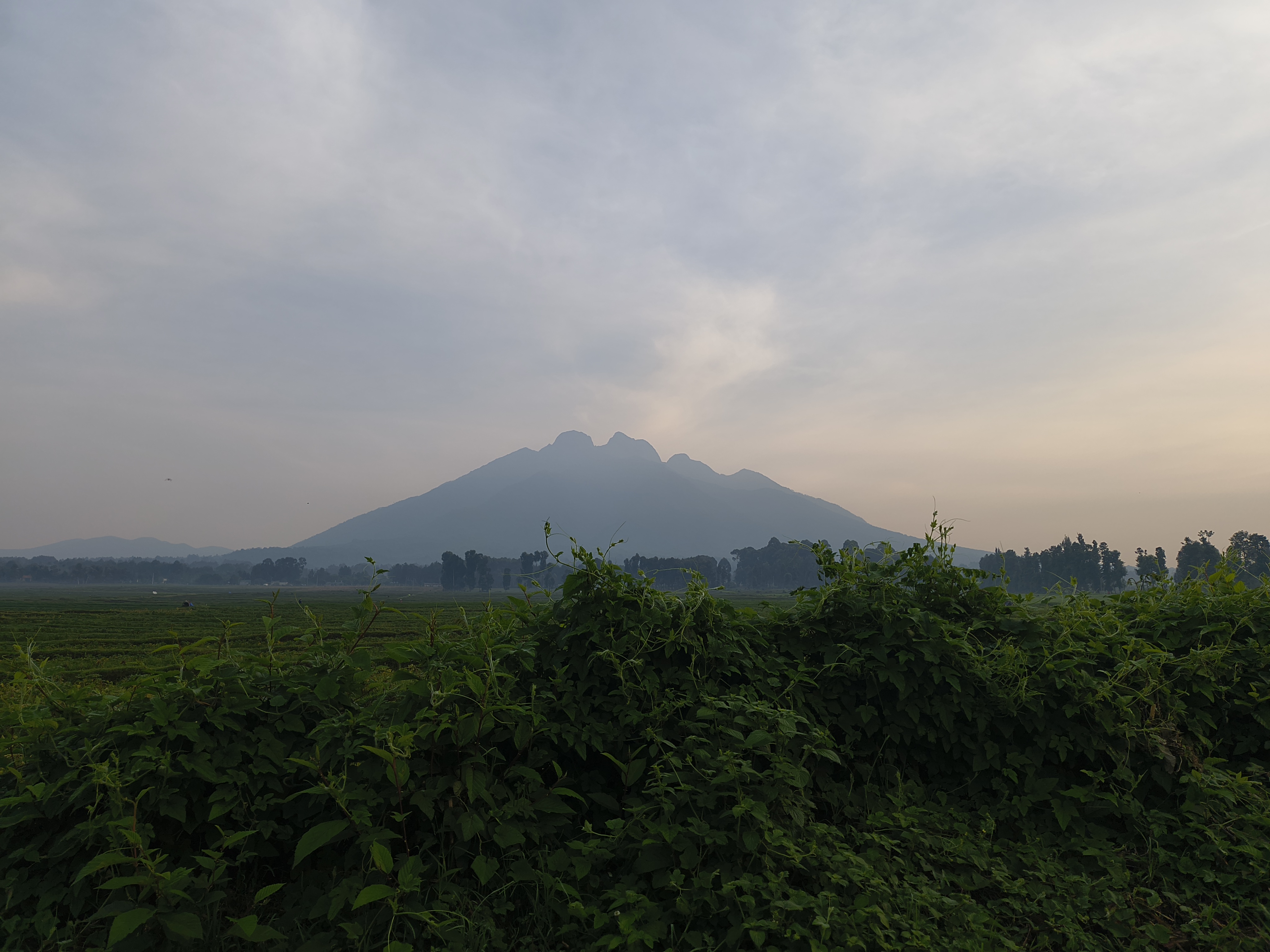
Rwanda has taken this approach in its eco-tourism industry. It is a nation that respects its natural world and those who live in rural communities near nature hotspots. There’s a monthly community cleanup in major cities like Kigali and Lake Kivu, as well as in small villages in the countryside. It is called Umuganda. The Rwandan government, activists, and local villages have formed a partnership in which former and would-be poachers are trained to become trackers of iconic wildlife, such as mountain gorillas. This brings resources to local communities. Rwanda isn’t perfect, but it’s a beautiful nation; its past shouldn’t define it solely. It should be judged by how it overcame one of the most tragic events in recent human history. Those in Rwanda are trying to move past former tribal division that led to the worst atrocities in modern times. But they are moving towards being one Rwanda. My short time there has helped restore my faith in humanity’s ability to overcome the worst of itself.
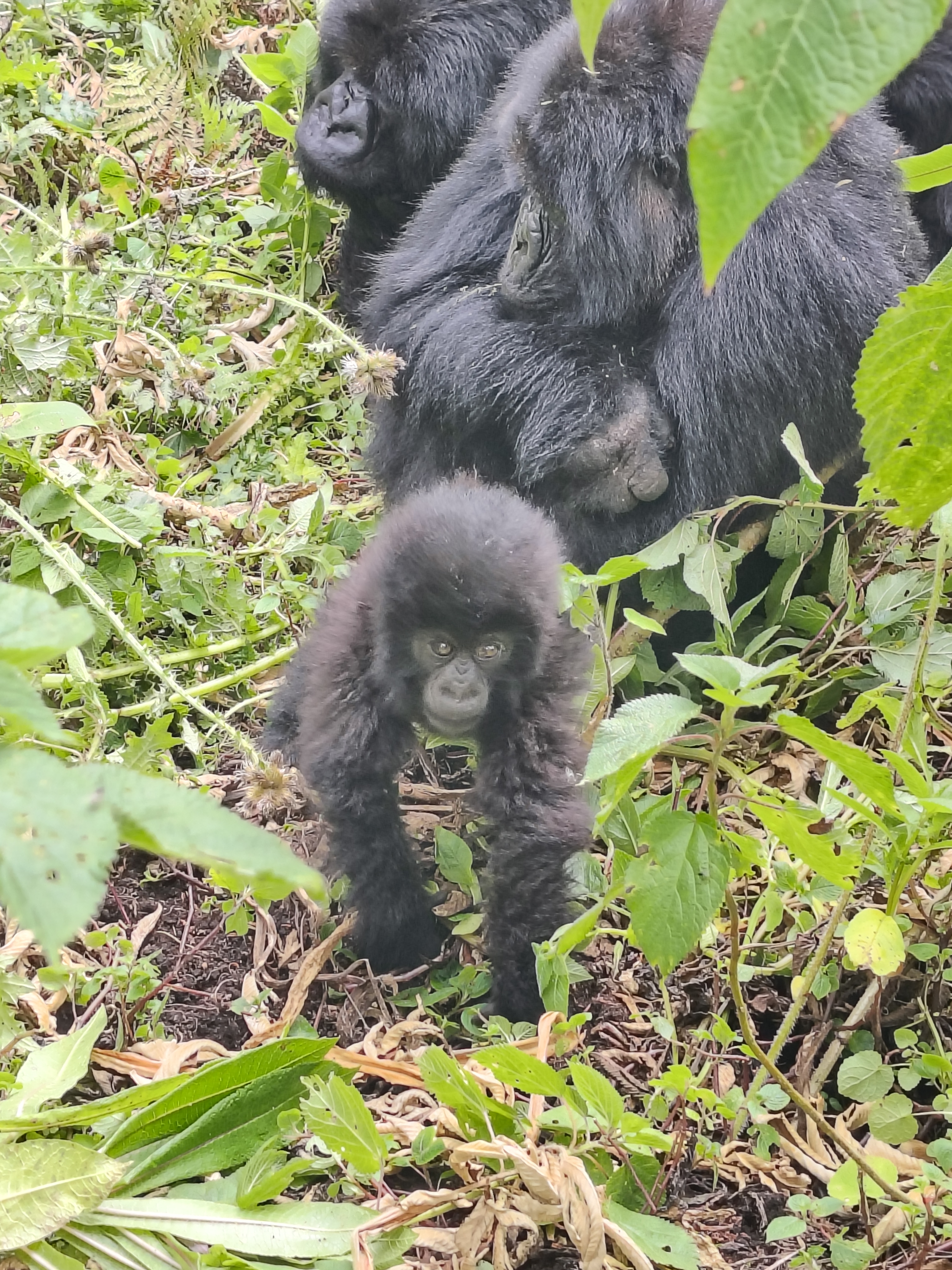
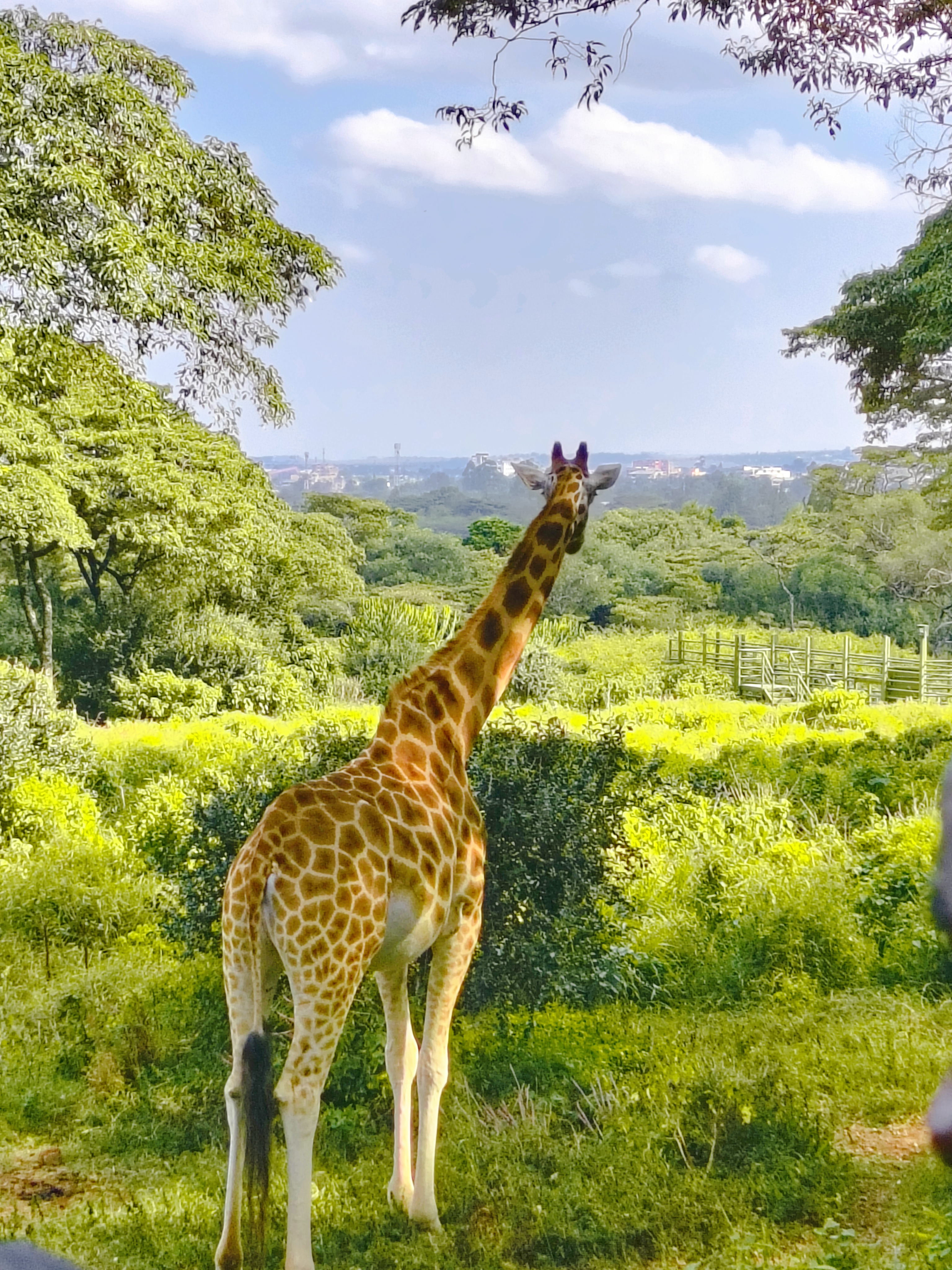
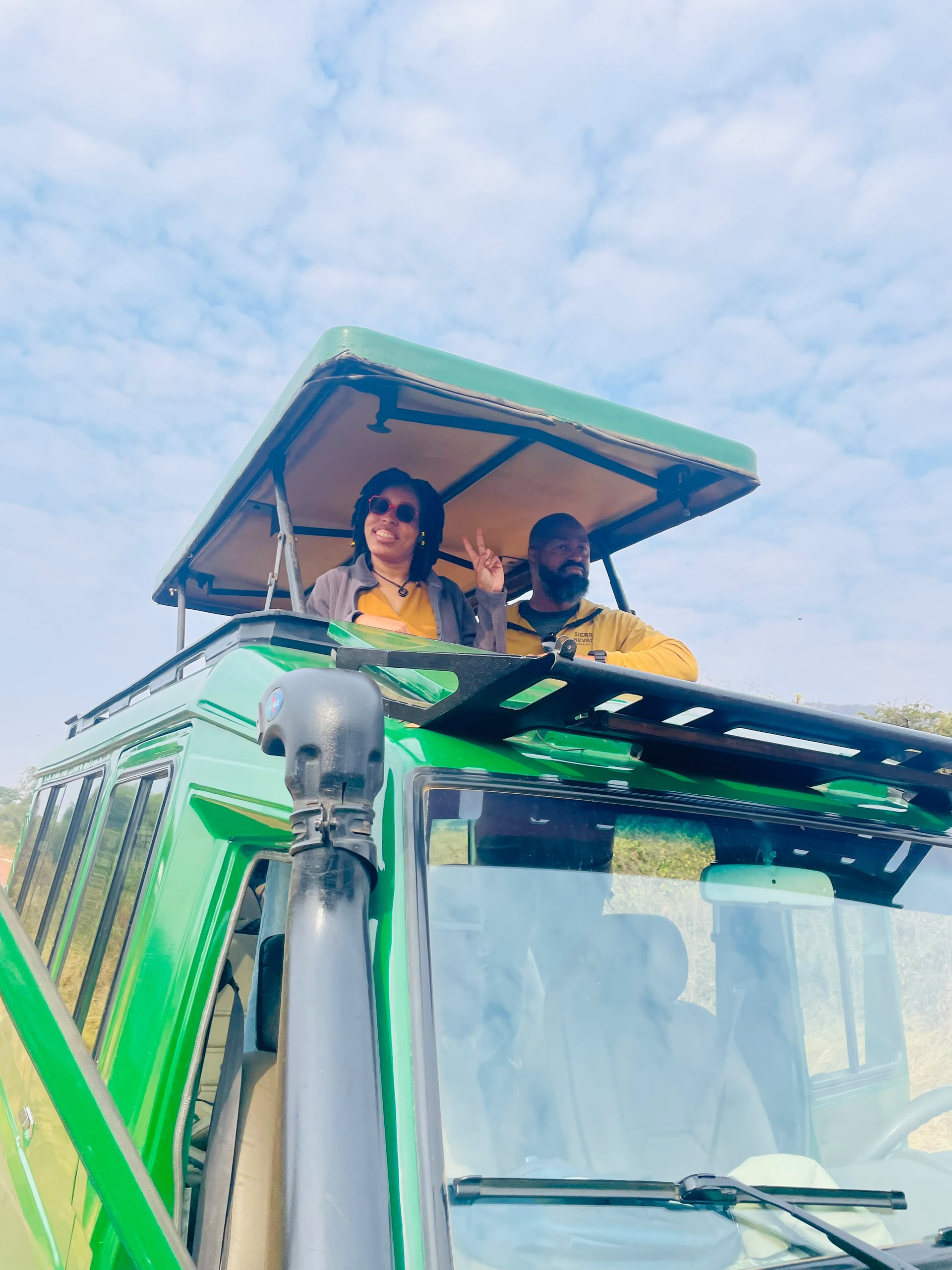
Kenya is one of the crown jewels of East Africa. It’s a nation of stark contrast and unparalleled beauty. The capital, Nairobi, is a cyberpunk-type city, with massive skyscrapers owned by mega corporations, yet in the midst of great wealth, the outskirts of Nairobi are littered with shantytowns. On the flip side, Nairobi National Park is right in the city itself, where we got to experience amazing wildlife like lions, elephants, buffaloes, crocs, and massive hippos.
My wife and I had the pleasure of spending a day with the people of the iconic Maasai tribe. We sipped traditional tea with the elders. We learned the history and some tribal customs from a community leader named Ezekiel Masagu. He’s a pastor who is building an organization called Nkitobirat Haven CBO to support Maasai youth and women. The goal is to push back against the Maasai’s outdated customs and promote greater equality between the sexes within the tribe.
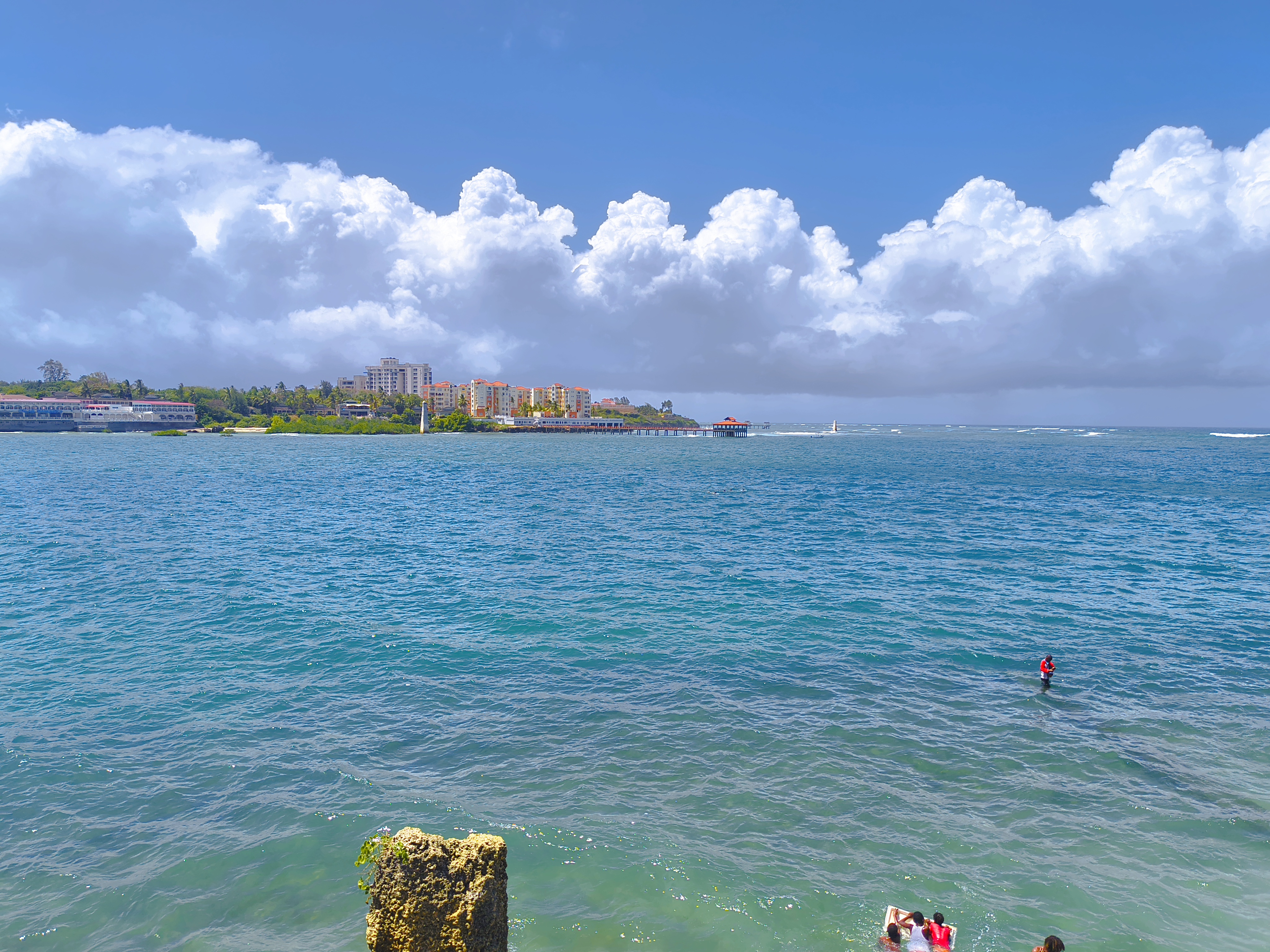
In Mombasa, Kenya, we saw beautiful marine life in the Indian Ocean. An ancient city colliding with modern Africa. I saw a giant sea turtle, tropical fish, and got to spend a day on a boat with a group of local Kenyans. I even had the pleasure of swimming in the Indian Ocean.
Kenya is marred by corruption and tribal division. Locals seem resigned to the ideology of hakuna mutata; the government is corrupt. Are the roads only fixed during election years? Well, hakuna mutata. Underneath that carefree attitude lies a truly rebellious spirit in the Kenyan people. The Mau Mau revolutionaries fought a sustained guerrilla warfare campaign against the British Empire. They gained independence in 1964, with President Kenyatta as Kenya’s first black, Kenyan-born leader. Kenya has so much promise and potential. My hope is for the Kenyan people to realize this and demand more from their elected leaders so that Kenya doesn’t remain a nation of a few haves and countless have-nots. I loved the spirit of the Kenyan people, and I appreciated their warmth. It was very familiar to Black American culture in some ways.
Yes, this was a once-in-a-lifetime trip. I hope to visit more African nations and reconnect with my West African roots. Anti-Blackness and white supremacy are colossal problems in the world. Pan-African solidarity is needed again so that the wealth of the African continent benefits all the people of that region, not just a small ruling class. I experienced feelings of despair, joy, wonder, and hope during my time in Africa. If you’d like to take a trip to the motherland, feel free to connect with my homegirl Nikel Bailey and her amazing travel agency, Culture II Culture. The company’s goal is to connect Black Americans with our brothas and sistas on the continent, so if you can, take a trip around the world to experience the beauty of Africa.


One response to “Africa: A Land of Tragedy, Beauty, and Hope”
It was a great honor to meet you Mr and Mrs Lornett Vestal in our mother land Kenya in my residential Maasai Land village it’s as well awesome to hear from you that you experienced a lovely trip in some Africa countries and connect with the black people resembling our black brethren in united states’ of America…looking foward to seeing you bring more Americans to experience the amazing adventure s in Africa
you are welcome again and again 🙏
LikeLike