

“Involuntary celibate,” or “incel,” is the name of an online subculture. Talking about this needs caution and an open mind. Initially, the term described those who sought relationships but struggled, frequently because of shyness, social anxiety, or limited chances. A woman originated the term, which is quite interesting. In 1997, Alana Foster made a website for lonely hearts, which unexpectedly fostered a hateful group, causing violence and deaths in her city. Extremist groups eventually seized control of a once-neutral support group called incels.
The modern incel subculture has its roots in misogyny and extremism. Some individuals are publicizing racist, hateful, and violent ideologies. They often blame women, society, or even genetics for their loneliness. These toxic ideas are shared on platforms like Reddit and other online forums. Some incels adhere to strict social rankings, like “looksmaxxing” or the “blackpill,” which propose that appearances determine social attainment and that society is inequitable. They call women they consider shallow and promiscuous “Staceys” and men who succeed with women “Chads.” To outsiders, these labels seem extreme and unfair.
People are concerned about radicalization because of violent acts linked to incels. In 2014, Elliot Rodgers, for instance, murdered six individuals and wounded 14 more. His actions and manifesto, per Wikipedia, impacted the early manosphere and incel culture. A few incels followed suit, including Canadian Alek Minassian, who used his car to kill 11 people in Toronto in 2018. The incel culture is the source of these extreme, violent acts.
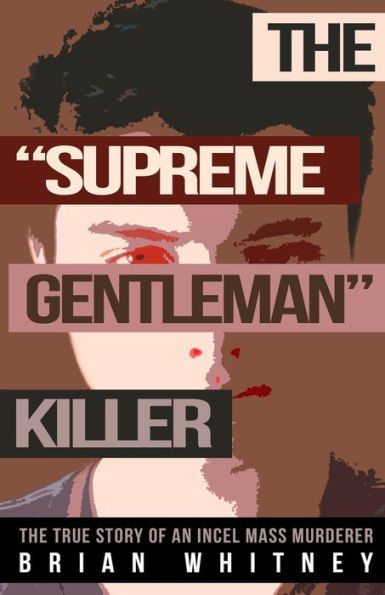
The rise of incel culture is often linked to the spread of male loneliness. Violence isn’t a trait of every incel. Stereotyping might alienate vulnerable people. Feeling isolated, many don’t support extremism, yet may use “incel” for community. Young men or teenage boys, influenced by online figures such as Andrew Tate and Jordan Peterson, are popular in some incel communities.
The manosphere is home to many influencers, podcasters, and streamers who frequently express conservative or far-right opinions. Young men sometimes receive helpful advice from people like Jordan Peterson regarding personal responsibility, grooming habits, and hygiene. But the manosphere and incel subculture often blame men’s problems on women. Though untrue, these communities regularly share this idea.
Sexism did not originate in the manosphere. Although incels appear extreme, they’re just rehashing outdated sexist notions online. It is a modern version of gender prejudice, the same gender prejudice that has existed for thousands of years. Ironically, it was the real or imagined women who became the scapegoats for the incels’ grievances. For incels, a man’s value is frequently determined by the type of woman he is dating or married to. They believe women don’t want them, so they have no value, and yet they blame women for all their problems.
In my opinion, every man has been influenced by a world that normalizes sexism, which is embedded in our society across all cultures and nation-states. Men and women socialized into gender roles often face repercussions for not adhering to them. I’m a man who will never say I’m a feminist, however, I believe in equality between men and women, as we are all simply human. But I prefer to call myself a recovering misogynist, aware of my past mistakes and striving to improve. Because sexism is so pervasive in our culture, including media, music, and fashion, I must confront my own internalized sexism every day. Not to mention the incel communities’ erasure of the LGBTQ community. It might be hard to believe, but some women might not be interested in romantic relationships because they’re lesbians. Bisexual and gay men also exist.
We need compassion and a firm rejection of violent ideas to tackle the incel issue. It’s important to speak out against harmful sexist rhetoric, but we must use empathy when dealing with issues like loneliness, mental health, and social isolation, especially for young men. Increased availability of mental health resources, therapy, and social support can be beneficial.
Creating positive communities for men and boys is important. Creating inclusive spaces, both online and offline, is essential for fostering healthy connections. Positive experiences can come from activities such as sports, hobbies, and clubs. Also, education is crucial, specifically for young boys. Parents, teachers, and community members ought to foster healthy relationships, emotional intelligence, and media literacy to combat harmful sexist ideas promoted by the incel community. By educating boys and girls about consent, respect, gender equality, and sexual health, we can help them build healthier relationships.

Ways to Stop Being an Incel
For men who have become part of the incel subculture, leaving it can be a long and challenging journey. It takes time to learn to value yourself and to believe you deserve love. Here are some tips to help men and boys move away from the incel community.
Work on your mental health.
Before seeking love, you must first love yourself. The incel community often promotes self-loathing, which can trap men in a negative cycle. Prioritizing your mental health is vital. I’ve experienced my own personal mental health difficulties. At my worst, I unfairly blamed women for my own problems, but a positive male peer set me straight. They helped me understand I had to focus on self-improvement to become a better person. Though hard, developing inner strength and confidence makes you more appealing. Stability and confidence are attractive, not chaos and self-loathing.
Self-improvement
Self-improvement and self-help are not the same thing. Self-improvement seeks to make you a better person over time, unlike self-help, which usually focuses on a specific goal. For instance, merely envisioning yourself as an NFL quarterback isn’t enough. Becoming better, be it as an athlete, lawyer, or gamer, requires effort and skill development.
You don’t have to aim for a massive goal such as being a famous athlete. Getting back in shape can be a simple form of self-improvement. Start with small exercises, such as a few push-ups or a short walk daily, until you feel healthier and stronger. Then, you build up from there. You only need a gym if you desire it. You get vitamin D and sunlight when you run outside, and it’s free. Self-improvement can also involve traveling more, whether out of state or to another country. It’s all about expanding your horizons.
If you want to be a well-rounded person, you can read books, follow the news, and stay informed. Based on my experience, connecting with people is simpler when you are interesting. It involves doing things such as volunteering, hobbies, sports, or skills. It’s tough, but self-improvement can help you distance yourself from negative online groups. Remember, you are worthy.
From a broader perspective, inceldom is connected to larger social changes. In the West, many young men are struggling with changing gender roles, digital isolation, and a lack of purpose as society evolves. Many well-paying blue-collar jobs have gone abroad, single-income households are a thing of the past, and women now have more rights and financial freedom. Some manosphere figures say that men had all the power and women were always obedient in the past, but this is a false claim. The focus should be on building a society that values all people, not just their romantic or sexual achievements. Manhood isn’t strictly limited to the rigid and stereotypical ideals promoted by the manosphere.
The truth about incels is complex. This subculture brought about both bad ideas and violence, but it also exposed suffering and societal issues. We must fight against misogyny and violence, be understanding to the lonely, and tackle the significant problems that lead to social isolation. If you or someone you know is facing loneliness or radicalization, support from professional sources and communities that don’t promote incel viewpoints can be beneficial.

 Evolving Folks Project
One response to “The Truth About Incels”
[…] days, many young men are falling into two troubling camps: the incel community—men who feel unable to form romantic relationships and often blame women—and those drawn to the […]
LikeLike